Culture Sounds: when sound gives a voice to cultural places
Culture Sounds develops new ways of experiencing museums, libraries, and archives through sound, expanding the visitor experience and strengthening the relationship with cultural heritage.
Sound can change the way we experience cultural places. Not just as background accompaniment, but as a powerful tool capable of telling stories, evoking emotions, and creating new connections between people and cultural heritage. This idea is the starting point of Culture Sounds, one of the projects selected through the MUSA – Next Generation PMI call, designed to support innovative initiatives with a strong impact on the relationship between research, businesses, and local communities.
The project was developed from a simple yet powerful concept: giving a voice to places of culture. Museums, libraries, and archives preserve stories, knowledge, and memories that are often experienced in a silent or static way. Culture Sounds introduces a sonic dimension that expands the visitor experience, transforming these spaces into environments that are more engaging, accessible, and immersive.
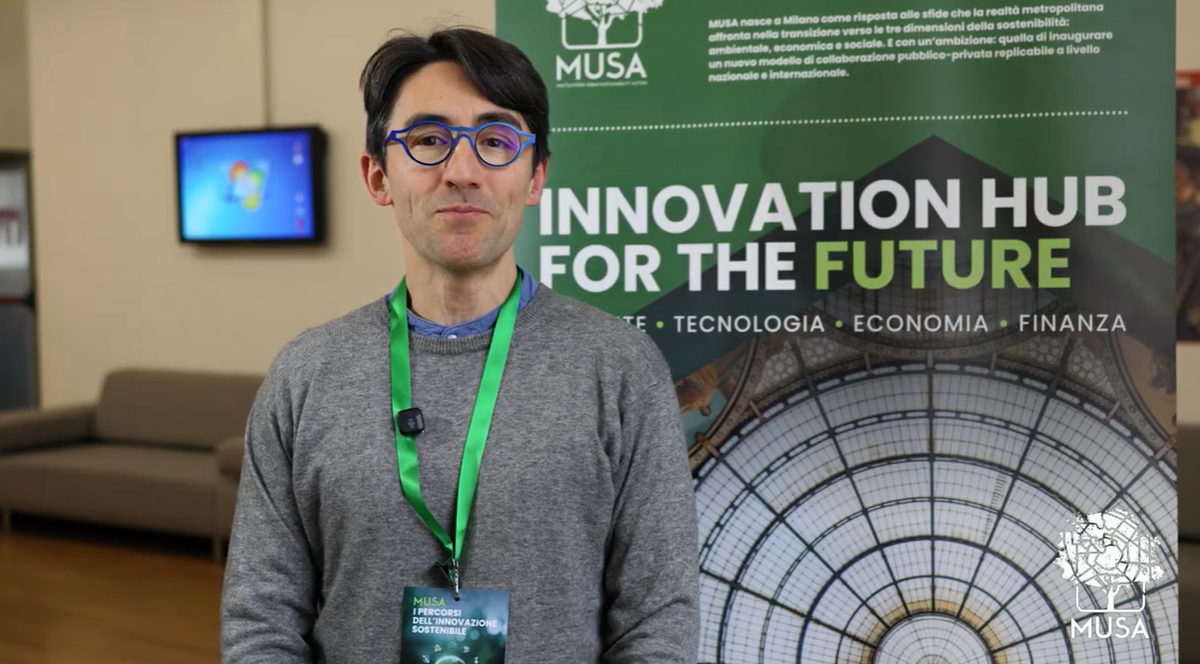
As Giancarlo Sciascia explains, the project was created with the goal of enhancing cultural heritage through sound – an element that can enrich our relationship with the beauty that surrounds us and open up new ways of interacting with cultural content. In this way, sound becomes a language capable of triggering emotions, stimulating curiosity, and making cultural experiences more dynamic and participatory.
In this journey, MUSA plays a central role. Through the Next Generation PMI call, MUSA has promoted innovative projects that foster technology transfer and collaboration between universities, businesses, and institutions. The goal is to support solutions capable of generating tangible impact across territories, encouraging the development of new ideas and models for sustainable growth.
The support provided by MUSA allows initiatives like Culture Sounds to experiment with new applications and models for cultural enhancement, connecting scientific, creative, and entrepreneurial expertise. This collaborative ecosystem strengthens the link between innovation and heritage, paving the way for new ways of experiencing culture.
Projects like this show how technology, creativity, and research can work together to make culture more accessible, engaging, and contemporary. Through sound, cultural places are no longer just spaces to visit – they become experiences to live and listen to. And thanks to the support of MUSA, these new storytelling approaches can turn into concrete opportunities for the future of the cultural sector.