INCO: Intergenerational Co-Housing Transforming Spaces into Sustainable Opportunities
An innovative shared living model that enhances underused spaces, fosters connections between generations, and makes cities more accessible, inclusive, and sustainable.
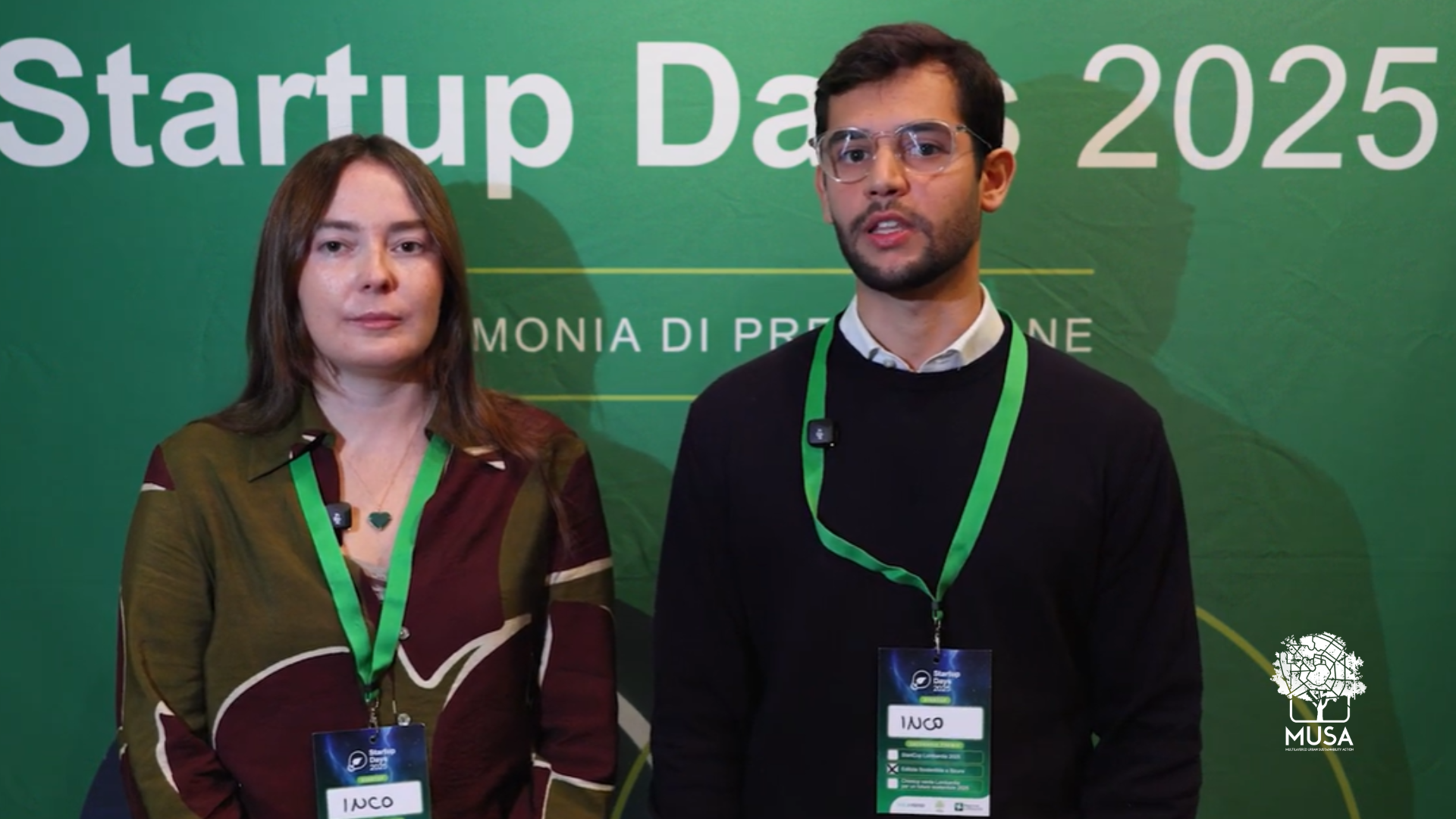
Connecting different generations to address a concrete need of contemporary cities: this is the insight behind INCO, the project founded by Karina Karlechuck and Nicola Ruggiu, which promotes an intergenerational co-housing model combining sustainability, inclusion, and social innovation.
INCO is based on an increasingly evident reality in urban contexts: many seniors live in homes with unused or underutilized spaces, while students and young professionals face rising housing costs that make studying or working in large cities increasingly difficult. The project builds a bridge between these two needs by enhancing existing resources and offering younger people access to more sustainable and affordable housing solutions.
The intergenerational co-housing model proposed by INCO is not just an economic alternative, but a model capable of generating social impact. It encourages exchange between generations, strengthens the sense of community, and helps combat isolation and vulnerability, transforming housing into an experience of connection and mutual growth.
At the same time, the project fits into a broader vision of urban sustainability. Enhancing unused spaces means reducing the consumption of new resources, optimizing existing housing stock, and promoting a more responsible approach to living. In this sense, INCO contributes to rethinking how cities can evolve, placing people and their relationships at the center.
After a year of development and fieldwork, the team is ready to launch its first co-housing experiences, with the goal of consolidating the model and progressively expanding its impact. The founders’ enthusiasm is matched by the awareness that innovating the way we live means addressing one of the most relevant social challenges of our time.
INCO demonstrates how innovation can emerge from the careful observation of real needs and translate into concrete solutions for more inclusive, collaborative, and sustainable cities. A project that looks to the future of housing, building connections that generate shared value.