

From research to the space economy: a sustainable technology opening new pathways for the aerospace industry
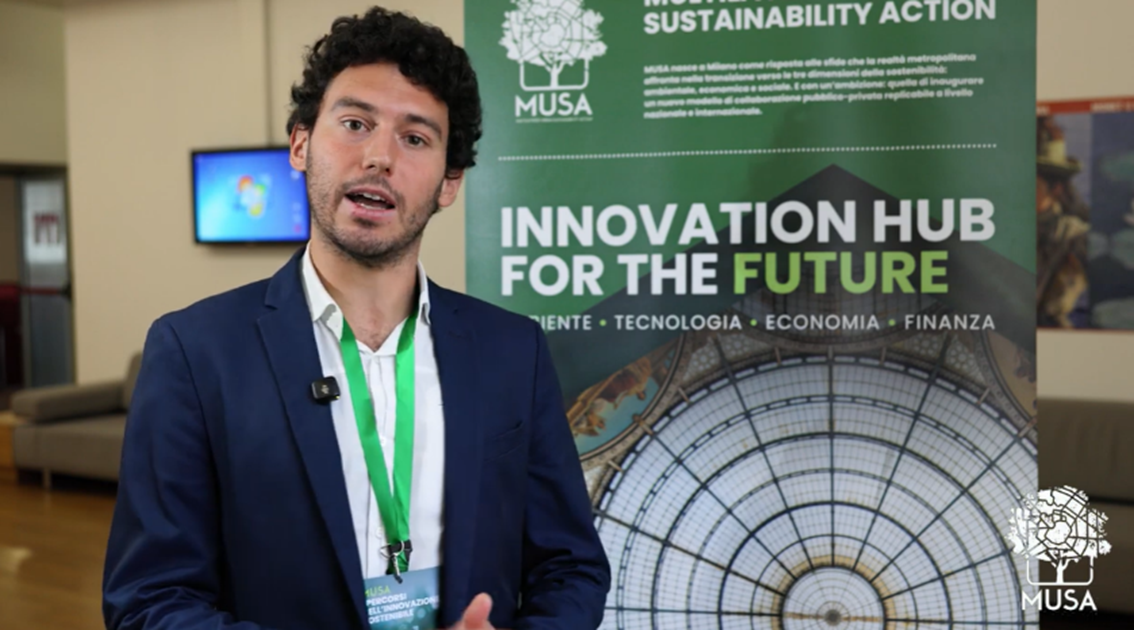
Bringing innovation to space by starting from a simple, sustainable, and surprisingly effective element such as water: this is the vision guiding Watercube, a project that is redefining the way propulsion is conceived for the next generation of small satellites. Watercube is one of the winning projects of the Next Generation PMI Call, presented during the “MUSA – Pathways of Sustainable Innovation” event, where the award ceremony took place on December 4. This recognition highlights technological solutions capable of combining advanced research, sustainability, and industrial impact.
Watercube operates in the field of space propulsion systems for small satellites, offering innovative technologies designed to make satellite maneuvering in orbit simpler, more efficient, and more sustainable. As explained during the interview, the project aims to launch its first Watercube product into orbit starting next year, opening new opportunities for the rapidly growing small satellite market.
At the core of the project lies an ambitious yet practical idea: using water as a propellant. This technological choice is intended to simplify space propulsion systems while reducing complexity and environmental impact, making this critical component of satellite missions more accessible and sustainable.
The development of the project has been made possible thanks to the contribution of MUSA, the Politecnico di Milano, and other Milan-based organizations, confirming the strategic value of the innovation ecosystem fostered by the program.
Within this framework, MUSA Scarl plays a central role as a catalyst connecting research, businesses, and institutions, creating the conditions for high-potential entrepreneurial projects to emerge and scale. The “MUSA – The Pathways of Sustainable Innovation” event represented a key moment for showcasing the most promising initiatives supported by the Call, giving visibility to solutions that interpret innovation as a driver of sustainability and technological progress.
The recognition awarded to Watercube confirms the importance of investing in frontier technologies and demonstrates how targeted support for innovative startups and SMEs can lead to concrete outcomes in strategic sectors such as aerospace. It stands as a clear example of how collaboration between academia, industry, and innovation programs like MUSA can translate research and vision into high-impact, real-world solutions.